

Navigating Savannah's Mild Winters: A Guide to Comfortable Living Without Overspending
Savannah winters at Adara Godley Station feel worlds away from what most Americans associate with the cold season. The Coastal Georgia climate delivers something closer to extended autumn than true winter, with temperatures that rarely dip below freezing and days that often feel downright pleasant by midmorning. This temperate reality means your heating challenges look dramatically different from regions dealing with snow and ice, but that doesn't eliminate the need for thoughtful energy management during the cooler months. January and February bring the occasional cold snap that sends nighttime temperatures into the 30s, reminding you that coastal humidity makes southern cold feel more penetrating than dry thermometer readings suggest. Developing smart heating habits and festive decorating strategies helps you enjoy Savannah's most comfortable season without watching your utility bills creep upward unnecessarily.
Understand Savannah's humidity factor in winter heating
Coastal humidity affects how your apartment at Adara Godley Station feels during winter in ways that differ significantly from inland climates. Savannah's damp winter air makes 55 degrees feel considerably colder than the same temperature in dry climates because moisture conducts heat away from your body more efficiently. This humidity factor means you might reach for your thermostat more frequently than temperature readings alone would suggest, creating opportunities for unexpected heating costs if you're not mindful. Running a dehumidifier during particularly damp periods actually helps your apartment feel warmer at lower thermostat settings because removing excess moisture allows your body to retain heat more effectively. Your heating system also works harder in humid conditions because it must overcome that moisture-laden air to raise your apartment's temperature. Understanding this relationship between humidity and perceived temperature helps you make informed decisions about when you genuinely need supplemental heat versus when adding layers or adjusting humidity levels provides better solutions.
Take advantage of Savannah's winter sunshine cycles
Winter in Savannah delivers surprisingly abundant sunshine between the occasional rainy systems that roll through from the Atlantic. Positioning yourself to capture this solar energy during December and January provides free heating that reduces your reliance on your apartment's heating system. Opening blinds and curtains on south-facing windows during morning and afternoon hours allows sunlight to warm your floors, furniture, and walls that then radiate heat back into your space throughout the day. Savannah's winter sun sits lower in the sky than during summer months, which means it penetrates deeper into your apartment and creates warming effects you don't experience during the intense overhead summer sun. Closing window coverings before sunset traps the accumulated solar heat inside your apartment, extending the benefit well into evening hours when temperatures drop. You can also rearrange furniture during winter months to take advantage of sunny spots, creating reading nooks or work areas that benefit from natural warmth and reduce your need to heat your entire apartment.
Create Southern-inspired holiday warmth
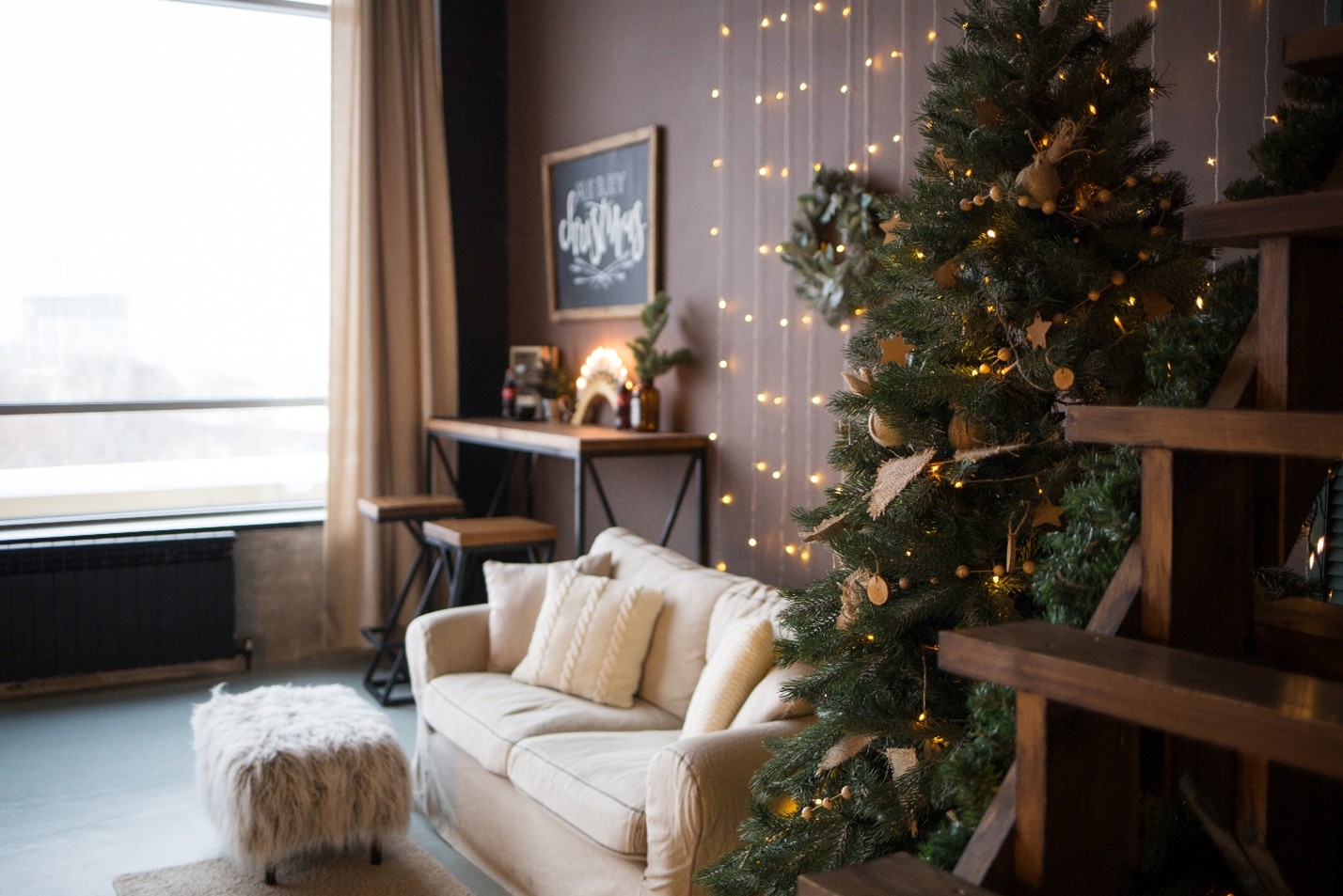
Decorating your apartment at Adara Godley Station for winter means embracing Savannah's unique blend of coastal charm and historic elegance rather than importing snowy mountain lodge aesthetics. Incorporating natural elements like magnolia branches, pine cones, and Spanish moss brings authentic Lowcountry character into your holiday decor while connecting to the landscape outside your windows. Rich jewel tones and metallic accents reflect Savannah's historic architecture and sophisticated style, creating visual warmth that feels appropriate for the city's cultural atmosphere. String lights work beautifully along railings and in windows, adding sparkle to those early winter evenings when darkness arrives before dinner time. Consider incorporating candles in hurricane glasses that nod to Savannah's coastal heritage while providing ambient lighting that makes your apartment feel intimate and inviting. Layering textures through velvet pillows, cable knit throws, and woven baskets adds depth to your space without overwhelming rooms with heavy winter themes that clash with Savannah's generally mild weather outside your door.
Manage the heating and cooling transition periods
Savannah's unpredictable winter weather creates unique challenges where you might need heat one morning and air conditioning that same afternoon when temperatures surge into the 70s. These dramatic daily temperature swings complicate your energy management strategy because constant thermostat adjustments waste energy and create uncomfortable temperature fluctuations in your apartment. Opening windows during those warm winter afternoons provides natural ventilation that eliminates heating costs entirely while refreshing your indoor air quality. Learning to read Savannah weather patterns helps you anticipate these temperature changes and adjust your apartment accordingly before conditions shift. Layering your clothing and using throws becomes more important than in consistently cold climates because you need flexibility to adapt throughout the day. Programmable thermostats help manage these transitions by automatically adjusting temperatures based on time of day, though you'll need to override them during Savannah's frequent weather anomalies that defy seasonal norms.
Budget for Savannah's modest winter heating needs
Your winter heating costs at Adara Godley Station remain relatively modest compared to regions with harsh winter climates, typically adding $30-60 to your monthly utility bills during peak cold periods. December through February represent your highest heating months, though even these peak periods pale compared to the air conditioning costs you managed during Savannah's long, humid summer season. Many Savannah residents find their winter utility bills actually provide welcome relief after months of running air conditioning systems constantly to combat oppressive heat and humidity. Setting your thermostat to 68 degrees during occupied hours and 62-64 degrees overnight or when away provides comfortable temperatures without excessive energy consumption. You should also factor in occasional cold snaps that arrive without warning and temporarily spike your heating needs beyond typical patterns. Building a small buffer into your winter budget accommodates these unpredictable weather events without derailing your financial planning when an arctic system unexpectedly settles over the Georgia coast.